
Expert Picks For Door Jamb Repair Essentials
Get insights into essential products that deliver professional-quality results for door jamb restoration projects.
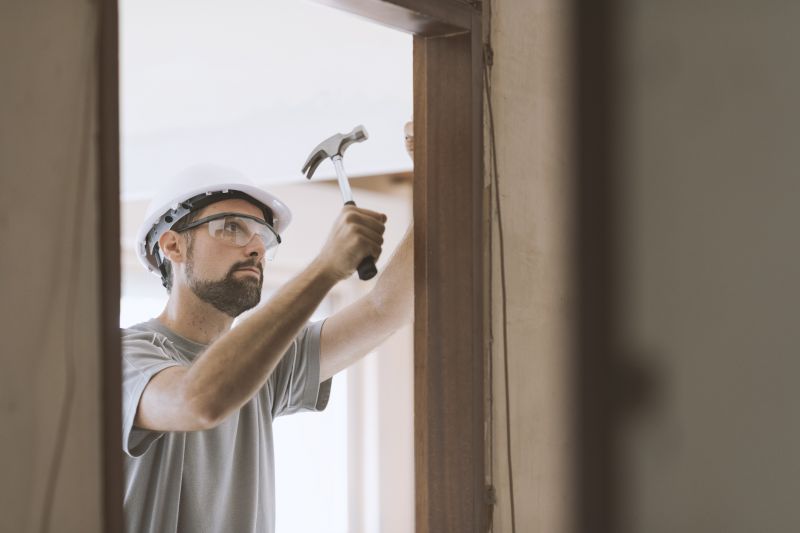 Door jamb repairs are a common necessity in maintaining the functionality and appearance of entryways. Over time, door jambs can become damaged due to impacts, settling, or general wear and tear, leading to issues such as misalignment, gaps, or difficulty in closing and locking doors. Addressing these problems promptly can improve security, insulation, and overall aesthetics of a space. Repairing door jambs typically involves assessing the extent of damage, selecting appropriate materials, and applying suitable repair techniques to restore structural integrity and appearance.
Top Overall Option
Multi-Purpose Repair Filler
A versatile repair filler designed for use on wood, metal, and composite door jambs. It offers easy application, good adhesion, and a smooth finish that can be sanded and painted to match existing surfaces. Ideal for filling cracks, holes, and minor surface imperfections, this product provides a reliable solution for various repair needs around door frames.
Types of Products For Door Jamb Repairs
Wood Filler
Specifically formulated for repairing wooden door jambs, providing a durable fill for cracks and holes.
Metal Repair Putty
Designed for fixing damaged or corroded metal door frames, offering strong adhesion and corrosion resistance.
Epoxy Resin
A two-part compound suitable for structural repairs and bonding different materials in door jambs.
Patching Compound
Ideal for larger surface repairs, smoothing out damaged areas on door frames.
Wood Hardener
Used to reinforce rotted or soft wood before filling or replacing sections of the jamb.
Reinforcement Hardware
Includes metal brackets and plates for strengthening weak or damaged door jambs.
Sealant and Caulk
Provides a weatherproof seal around door jambs, filling small gaps and cracks.
Replacement Jambs
Pre-formed or custom-cut jambs for replacing severely damaged or rotted frames.
Anchor Bolts and Fasteners
Essential for securing jambs to the wall and ensuring stability after repairs.
Shims
Used to level and align door jambs during installation or repair.
Paintable Wood Filler
Provides a smooth, paint-ready surface for finishing repaired wooden jambs.
Self-Adhesive Repair Tape
Convenient for quick fixes on minor surface damages.
Structural Adhesives
High-strength glues for bonding parts of the jamb or reinforcing weak areas.
Rot Repair Kits
Complete kits for addressing wood rot, including hardeners, fillers, and sealants.
Door Frame Reinforcement Plates
Metal plates that reinforce weak or damaged areas of the door frame.
Popular Choices
Widely used for various surface repairs on door jambs, suitable for different materials.
Commonly selected for repairing wooden door frames due to its ease of use and compatibility.
Popular for structural repairs and bonding applications in door jamb restoration.
Frequently chosen for sealing gaps and cracks around door frames for weatherproofing.
Often used to add stability to compromised door jambs.
Selected for extensive damage requiring full frame replacement.
Popular for finishing repairs on wooden jambs with a seamless appearance.
Commonly used during installation or realignment of door frames.
Essential for securing jambs firmly in place after repairs.
Chosen for addressing wood rot issues effectively.
Frequently used to strengthen weak or damaged frames.
Popular for quick, minor surface fixes.
Often selected for bonding and reinforcing parts of the door jamb.
Commonly used to stabilize rotted or soft wood before filling.
Preferred for smoothing out larger surface imperfections.
Various repair products are available to tackle different types of damage, from minor surface cracks to major structural issues. For minor damages, fillers and patching compounds can be effective in filling gaps and cracks, providing a smooth surface for painting or finishing. For more extensive repairs, replacement jambs or reinforcement hardware might be necessary to ensure stability and longevity. It is important to choose products that are compatible with the existing door frame material, whether wood, metal, or composite, to achieve the best results.
When selecting repair products, consider the specific nature of the damage, the material of the existing jamb, and the desired finish. Proper preparation, such as cleaning and sanding, enhances adhesion and durability of the repair materials. Additionally, some products are designed for quick application, while others may require more detailed work. Overall, understanding the different options and their appropriate use cases can help homeowners and professionals carry out effective and lasting door jamb repairs that restore the functionality and appearance of entryways.
Key Buying Considerations
- Material compatibility: Ensure the repair product is suitable for the existing door jamb material, whether wood, metal, or composite.
- Extent of damage: Assess whether minor cracks or holes can be repaired with fillers or if full replacement is necessary.
- Application ease: Choose products that match your skill level and available tools, whether simple fillers or more complex repair kits.
- Drying and curing time: Consider how long the product takes to set and cure before applying finishes or reusing the door.
- Finish compatibility: Select fillers or compounds that can be sanded, painted, or stained to match existing surfaces.
- Durability: Look for products that offer long-lasting adhesion and resistance to wear or environmental factors relevant to the location.
- Flexibility: For areas prone to movement or expansion, choose flexible repair materials to prevent cracking.
- Structural support: For weak or damaged jambs, consider reinforcement hardware or replacement options.
- Ease of removal: If planning to replace the jamb, select products that are easy to work with and remove if necessary.
- Cost considerations: Balance the budget with the quality and longevity of the repair products.
- Environmental conditions: Consider exposure to moisture, temperature changes, or pests that may affect repair longevity.
- Compatibility with finishes: Ensure the repair product can accept paint, stain, or sealants used in your project.
- Safety and VOC content: Check for low VOC options if working in enclosed spaces or with sensitive individuals.
- Availability: Choose products readily available at local stores or online for convenience.
- Manufacturer reputation: Opt for products from reputable brands known for consistent quality.